On a building site there is always something competing for attention. Coordinating trades, managing timelines, dealing with suppliers and keeping clients informed usually come first. Rubbish removal tends to sit in the background, right up until the point where it starts affecting how the site actually functions.
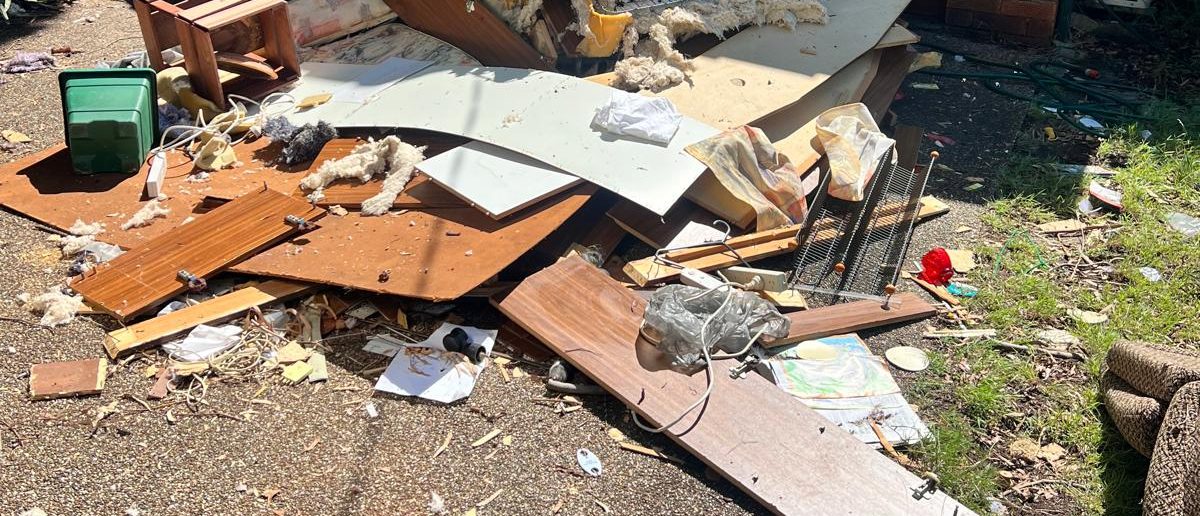
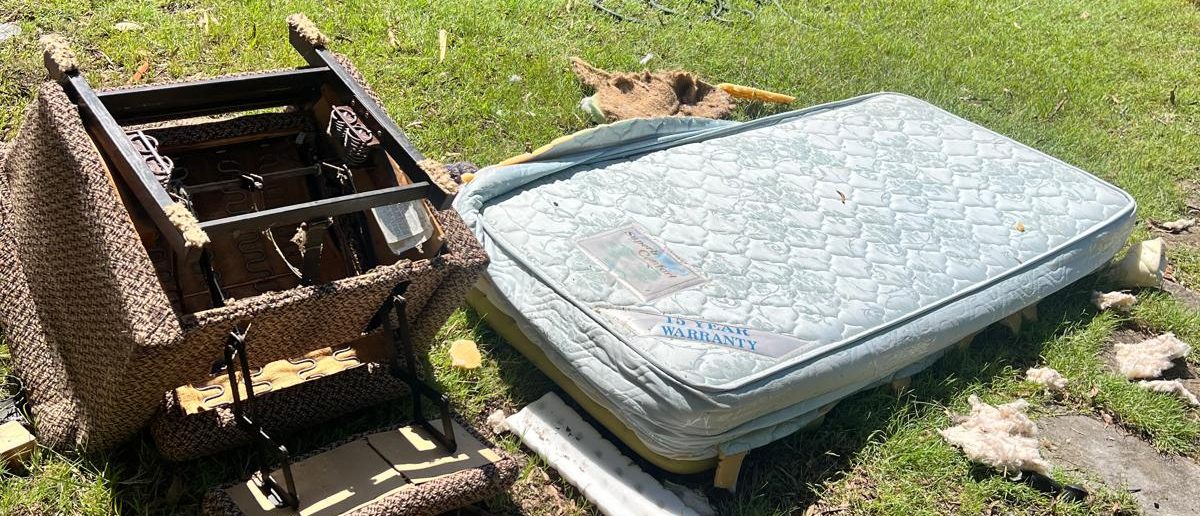
Most waste doesn’t appear all at once. It accumulates gradually as demolition begins, materials get unpacked and offcuts start to stack up. Because this build-up happens in small amounts, it often feels manageable at the time. The trouble is that by the time it becomes noticeable, it is already taking up working space and slowing things down.
Builders who keep projects moving smoothly rarely do anything complicated when it comes to waste. They simply deal with it before it becomes disruptive.
When waste starts affecting the job
A cluttered site usually develops in stages. Access ways become tighter, certain areas turn into temporary dumping spots and trades find themselves shifting debris before they can get started. None of this feels dramatic in isolation, but it quietly eats into time and efficiency.
Many Sydney builders say the same thing after a clear-out, they hadn’t realised how much space the waste was taking up until it was gone. That extra room makes day-to-day work noticeably easier.
Safety is easier to manage on a clear site
No construction site is risk-free, but excess waste adds avoidable hazards. Loose materials underfoot, sharp offcuts and crowded walkways increase the chance of trips or minor injuries. Even small incidents can interrupt a schedule and create paperwork no one wants.
Keeping a site reasonably clear makes movement safer and supervision simpler. It also helps trades focus on their work rather than navigating around debris.
Clients form impressions from the environment
Whether the project is a home renovation or a commercial fit-out, clients naturally take in their surroundings when they visit. A site that feels organised gives confidence that the project is under control. When rubbish is scattered around, it can leave a different impression, even if the workmanship itself is excellent.
Presentation is not about perfection. It is about showing that the job is being managed professionally.
What timing usually looks like in practice
There is no universal schedule, but many builders develop a rhythm that suits their type of work.
For smaller renovations, arranging a removal once the initial demolition phase is done and again toward the end of the project is often enough to keep things under control.
For mid-sized projects, a weekly removal tends to prevent waste from creeping into active work zones.
For larger builds and commercial fit-outs, more frequent collections often make sense, especially when multiple trades are moving through quickly and space matters.
Why many Sydney builders use on-call removal
Skip bins still suit some sites, but they are not always practical in tighter Sydney locations. They occupy space, may require permits and once they are full, they remain there until collection.
On-call rubbish removal allows waste to be cleared when it suits the build schedule. There is no need to guess bin sizes or have debris sitting around longer than necessary.
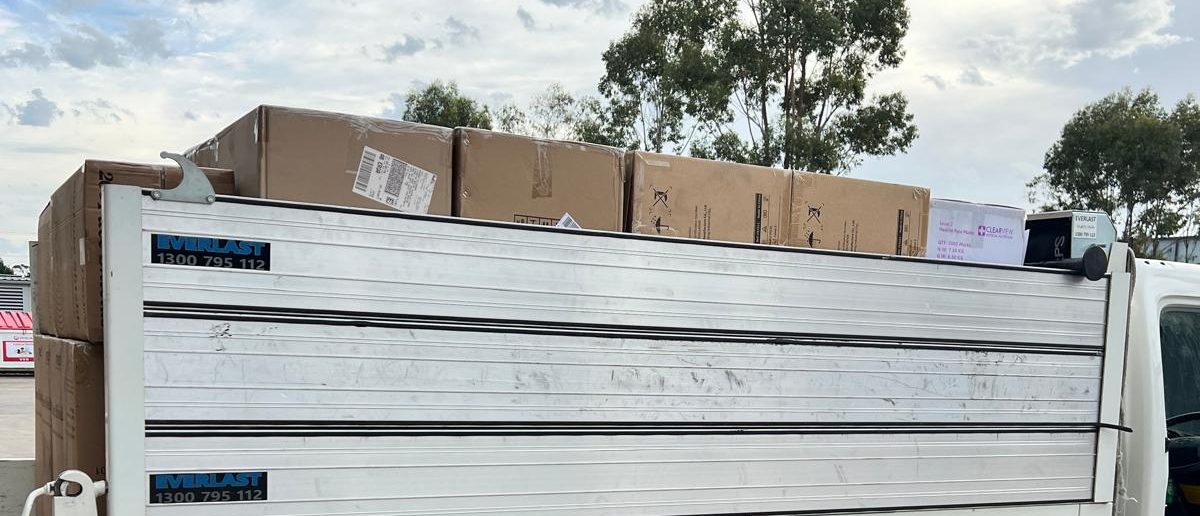
This is where Rubbish Runners fits naturally into many projects. Builders across Sydney use them to clear renovation and construction waste as jobs progress, knowing the team will turn up, load efficiently and leave the area usable again. It becomes one less thing for the builder to coordinate.
Conclusion
Rubbish removal rarely feels urgent at the start of a project, yet it has a steady influence on how a site operates. When waste is handled at the right times, sites feel more workable, safer and easier to manage.
Most builders who factor removal into their workflow find that it reduces friction across the job. Trades can move freely, clients feel comfortable visiting and the project flows more smoothly.
When the waste is taken care of properly, attention can stay where it belongs – on delivering a quality build.
SEO Details