Most renovation delays are blamed on the big things. Late materials, weather, client changes or scheduling issues usually get the attention. What often gets missed are the smaller problems that chip away at productivity every day.
One of the most common is unmanaged waste.
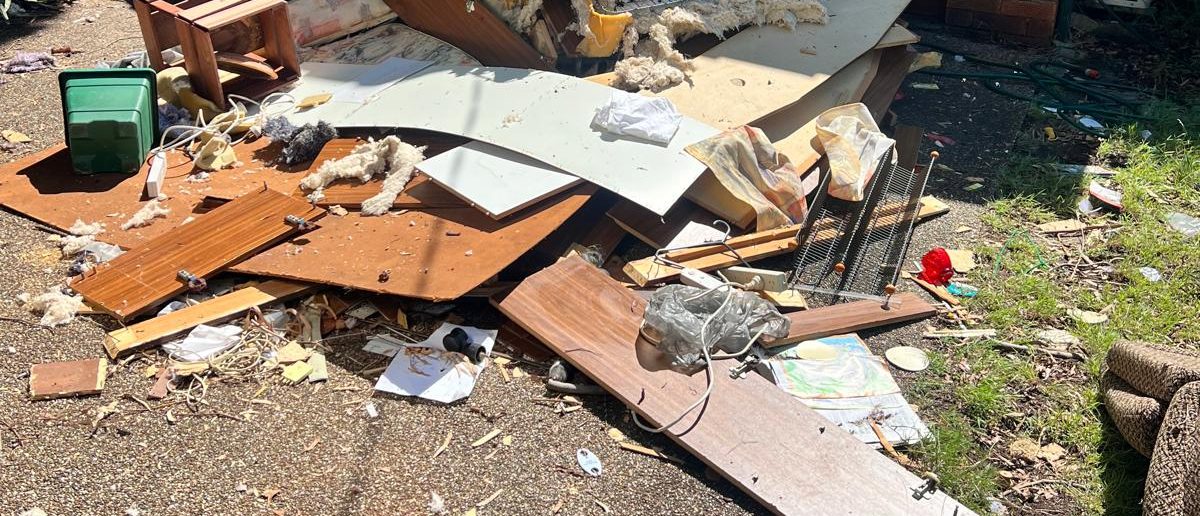
It rarely looks serious at first. A few demolition materials in the corner, packaging near the entry, offcuts stacked against a wall. But as the job progresses, those small piles become part of the working environment, and that’s where time starts disappearing.
For many builders, having a simple waste removal plan is less about cleanliness and more about keeping the project moving.
Small delays add up
quickly
Lost time on renovations often comes from repeated interruptions rather than one major setback.
A tradie needs to clear space before starting. Materials have to be moved because debris is in the way. Access to a room is tighter than it should be. Someone spends twenty minutes loading rubbish into a trailer instead of doing billable work.
None of these delays seem huge on their own, but across multiple days and multiple trades, they add up.
That’s why organised builders look for ways to remove friction from the site, and waste is one of the easiest places to start.
Clutter changes how
trades work
Trades work faster when they can move freely and set up properly. When rooms are crowded or walkways are blocked, everything becomes less efficient.
Even simple tasks take longer when tools, materials and rubbish are competing for the same space.
On renovation sites where access is already tighter than a new build, this matters even more. Terraces, apartments, older homes and occupied properties don’t leave much room for unnecessary clutter.
Keeping waste under control helps the site stay functional.
Clean sites are easier
to manage
A tidy renovation site doesn’t just help trades. It also makes the project easier for the builder to oversee.
It’s simpler to assess progress, organise the next stage of works and walk clients through the job when the space feels under control. It also reduces the chance of damage caused by materials being stacked where they shouldn’t be.
Clients notice this too. A well-managed site builds confidence that the rest of the project is being handled properly.
Why a waste removal plan
works
A waste removal plan doesn’t need to be complicated. It can be as simple as knowing when rubbish is likely to build up and arranging collection before it becomes a problem.
That might mean:
-
After demolition is complete
-
Before new trades begin
-
At the end of each project stage
-
Before client walkthroughs
-
Before final handover
The goal is to remove waste at practical points in the build, rather than waiting until the site is overloaded.
Where Rubbish
Runners helps builders
Many Sydney builders use Rubbish Runners as part of their renovation workflow because it saves time and keeps sites usable.
Instead of organising trailers, tip runs or waiting for rubbish to pile up, builders can have construction and renovation waste removed as needed. The team loads efficiently, clears the area and helps keep the project moving.
For busy builders, it becomes one less task to manage.
Conclusion
Renovation delays don’t always come from major setbacks. Often, they come from small inefficiencies repeated throughout the job.
Unmanaged waste is one of those issues. It affects access, slows trades and creates unnecessary friction on-site.
Builders who plan for rubbish removal usually find their projects run smoother because the site stays workable from one stage to the next. When waste is handled properly, more time can be spent where it matters most, getting the job done well.